 Worldlex Wiki
 Labna
Labna (or Labná in Spanish orthography ) is a Mesoamerican archaeological site and ceremonial center of the pre-Columbian Maya civilization , located in the Puuc Hills region of...
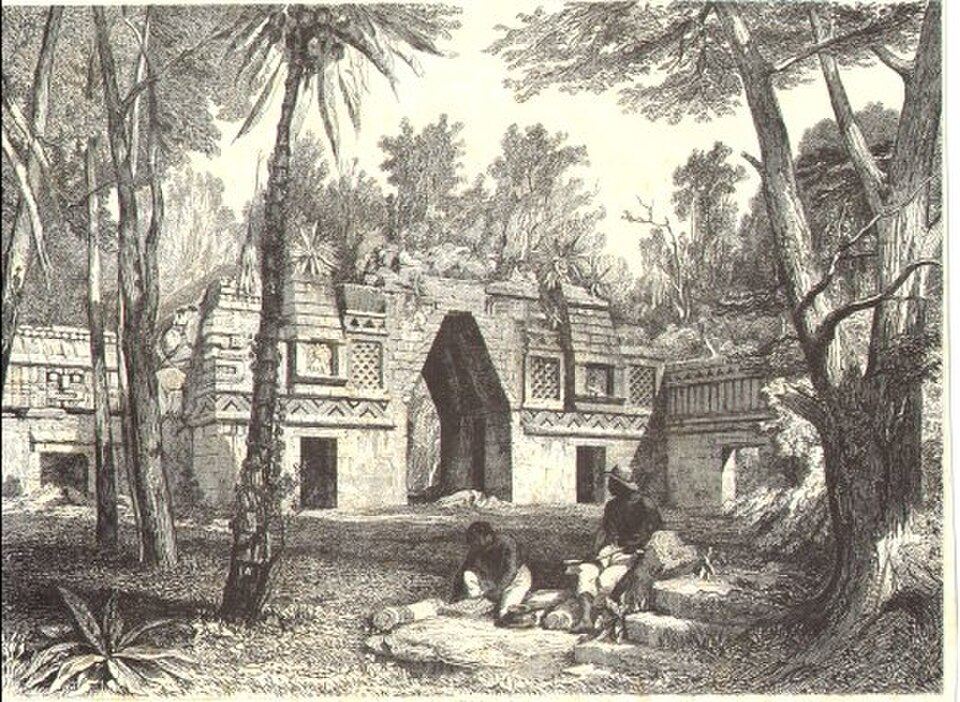
The first written report of Labna was by John Lloyd Stephens who visited it with artist Frederick Catherwood in 1842. Thanks to this, drawings illustrating the state of the ruins from that period have also been preserved.
Archeological zone
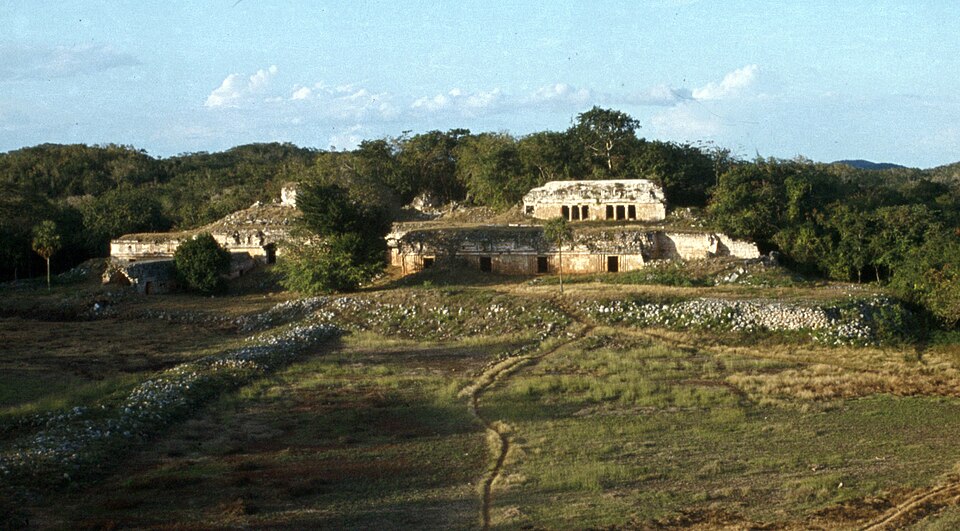
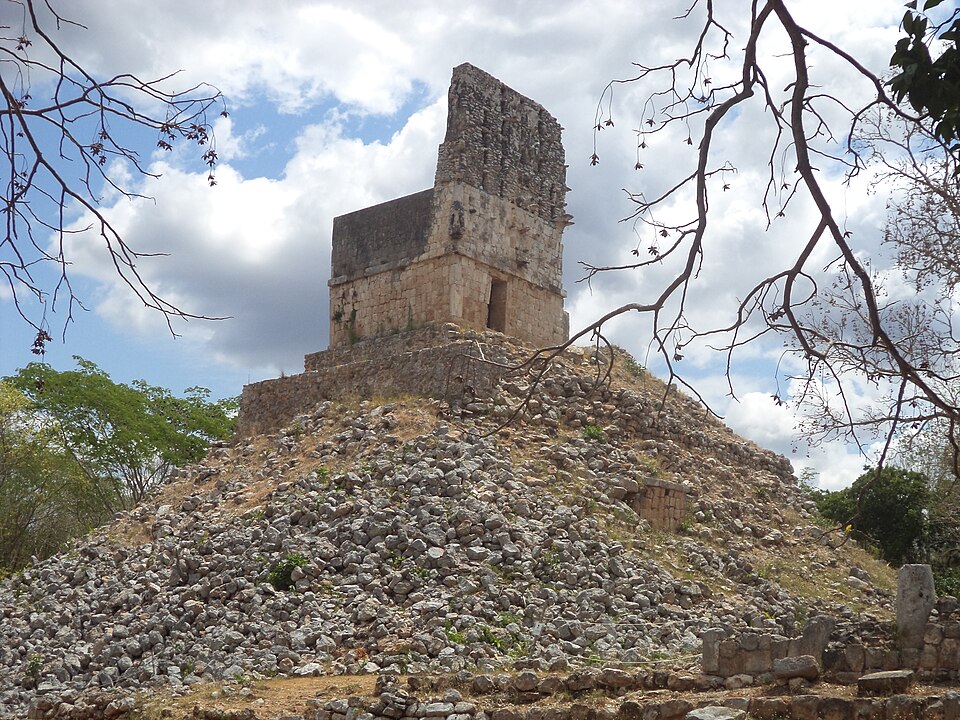
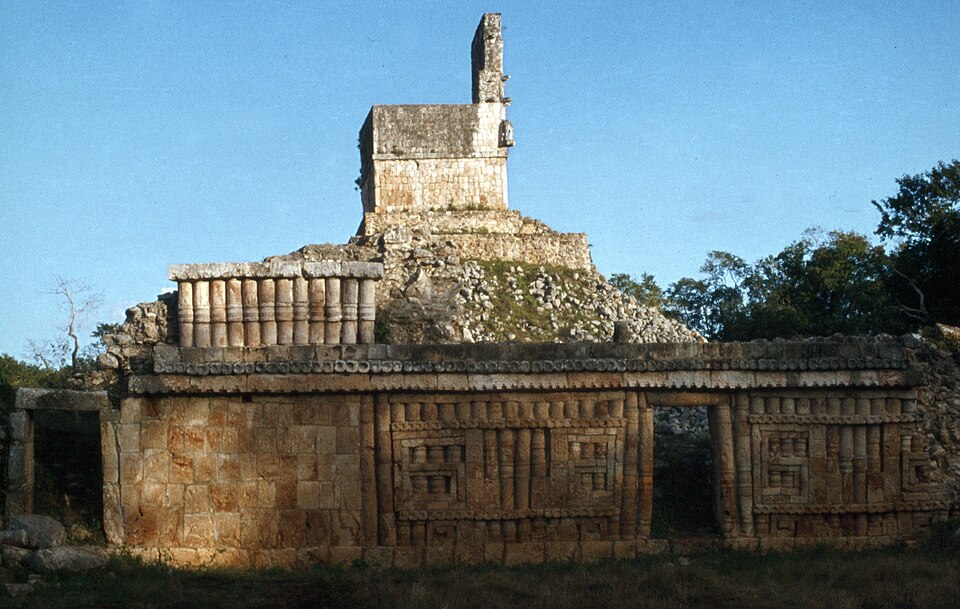
The site is a comparatively small and compact one. Among its notable structures is a large two-storey 'palace' ("El Palacio"), which is one of the longest contiguous structures in the Puuc region at approximately 120m (393.7ft) in length. From the palace, a ceremonial road (sacbe) extends to an elaborately decorated gateway arch ("El Arco"). This structure is 3m (9.8ft) wide and 6 m high, with well-reserved bas-reliefs. The arch is not an entrance to the city, but rather is a passageway between public areas. Next to this gateway stands "El Mirador", a pyramid-like structure surmounted by a temple. A part of the same site is the Temple of the Columns.
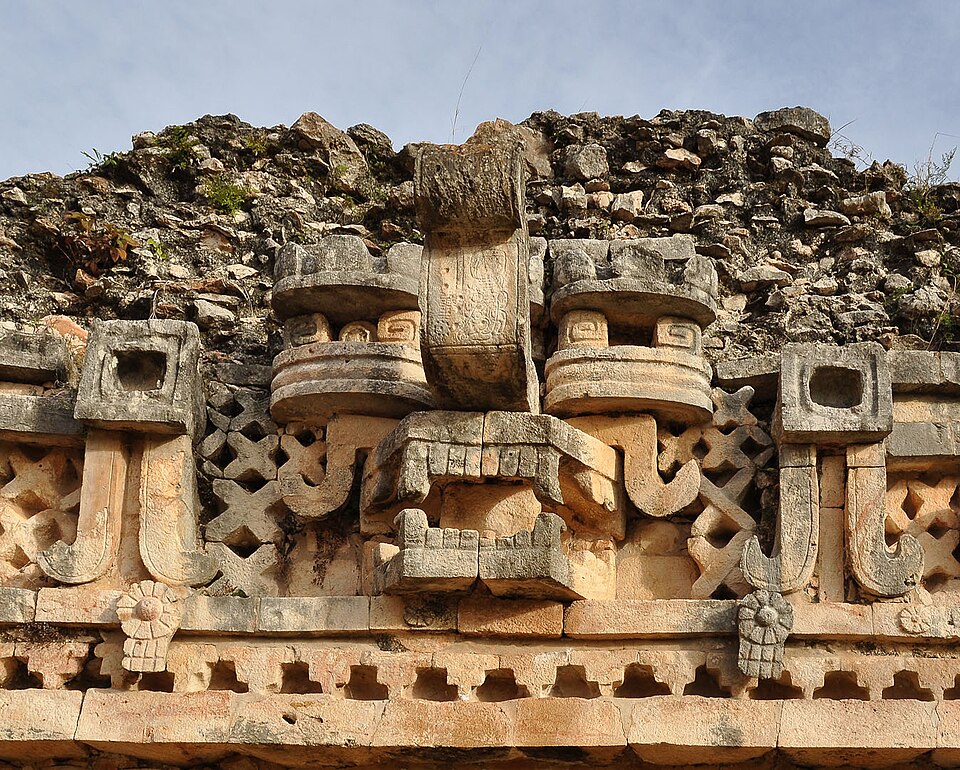
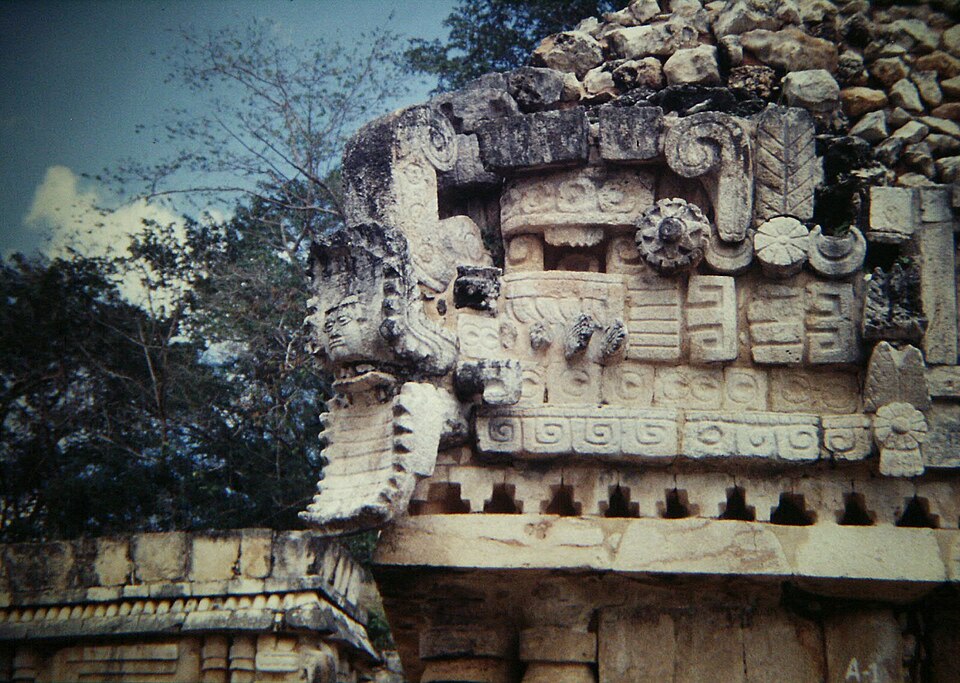
La conception structurelle et les motifs des bâtiments du site relèvent du style architectural régional maya connu sous le nom de Puuc . Ce style se caractérise par un usage abondant de pierres finement taillées, formant des motifs et des représentations, notamment des masques du dieu de la pluie au long nez, Chaac .
Le site a été construit durant la période classique tardive et terminale . Une date correspondant à l'an 862 est inscrite dans le palais.
Le site est ouvert aux visiteurs.
Alors que les relations entre l'Inde et le Mexique se réchauffent, l'Inde a récemment inauguré une réplique de l'Arche au Jardin des Cinq Sens , à New Delhi, en signe de bonne volonté.
Galerie