 Worldlex Wiki
 Especially in light of the massive societal transformations needed to mitigate and adapt to climate change, contemporary infrastructure conversations frequently focus on sustainable development and green infrastructure. Acknowledging this importance, the international community has created policy focused on sustainable infrastructure through the Sustainable Development Goals, especially Sustainable Development Goal 8 "Industry, Innovation and Infrastructure".
One way to describe different types of infrastructure is to classify them as two distinct kinds: hard infrastructure and soft infrastructure. Hard infrastructure is the physical plant and networks necessary for the functioning of a modern industrial society or industry. This includes utilities, waste management, transport facilities, and telecom networks. Soft infrastructure is all the institutions that maintain the economic, health, social, environmental, and cultural standards of a place. This includes educational programs, official statistics, parks and recreational facilities, law enforcement agencies, and emergency services.
US National Research Council panel adopted the term "public works infrastructure", referring to:"...both specific functional modes – highways, streets, roads, and bridges; mass transit; airports and airways; water supply and water resources; wastewater management; solid-waste treatment and disposal; electric power generation and transmission; telecommunications; and hazardous waste management – and the combined system these modal elements comprise. A comprehension of infrastructure spans not only these public works facilities, but also the operating procedures, management practices, and development policies that interact together with societal demand and the physical world to facilitate the transport of people and goods, provision of water for drinking and a variety of other uses, safe disposal of society's waste products, provision of energy where it is needed, and transmission of information within and between communities."
The American Society of Civil Engineers publishes an "Infrastructure Report Card" which represents the organization's opinion on the condition of various infrastructure every 2–4 years.drinking water, energy, hazardous waste, inland waterways, levees, parks and recreation, ports, rail, roads, schools, solid waste, transit and wastewater. The United States has received a rating of "D+" on its infrastructure. This aging infrastructure is a result of governmental neglect and inadequate funding. As the United States presumably looks to upgrade its existing infrastructure, sustainable measures could be a consideration of the design, build, and operation plans.
Public
Public infrastructure is that owned or available for use by the public (represented by the government). It includes:
- Transport infrastructure – vehicles, road, rail, cable and financing of transport
- Aviation infrastructure – air traffic control technology in aviation
- Rail transport – trackage, signals, electrification of rails
- Road transport – roads, bridges, tunnels
- Critical infrastructure – assets required to sustain human life
- Energy infrastructure – transmission and storage of fossil fuels and renewable sources
- Information and communication infrastructure – systems of information storage and distribution
- Public capital – government-owned assets
- Public works – municipal infrastructure, maintenance functions and agencies
- Municipal solid waste – generation, collection, management of trash/garbage
- Sustainable urban infrastructure – technology, architecture, policy for sustainable living
- Water supply network – the distribution and maintenance of water supply
- Wastewater infrastructure – disposal and treatment of wastewater
- Infrastructure-based development
Personal
A way to embody personal infrastructure is to think of it in terms of human capital. Human capital is defined by the Encyclopædia Britannica as "intangible collective resources possessed by individuals and groups within a given population". The goal of personal infrastructure is to determine the quality of the economic agents' values. This results in three major tasks: the task of economic proxies in the economic process (teachers, unskilled and qualified labor, etc.); the importance of personal infrastructure for an individual (short and long-term consumption of education); and the social relevance of personal infrastructure. Essentially, personal infrastructure maps the human impact on infrastructure as it is related to the economy, individual growth, and social impact.
Institutional
Institutional infrastructure branches from the term "economic constitution". According to economic and legal policy. It compromises the growth and sets norms. It refers to the degree of fair treatment of equal economic data and determines the framework within which economic agents may formulate their own economic plans and carry them out in co-operation with others.
Sustainable
Sustainable infrastructure refers to the processes of design and construction that take into consideration their environmental, economic, and social impact. Included in this section are several elements of sustainable schemes, including materials, water, energy, transportation, and waste management infrastructure. Although there are endless other factors of consideration, those will not be covered in this section.
Material
Material infrastructure is defined as "those immobile, non-circulating capital goods that essentially contribute to the production of infrastructure goods and services needed to satisfy basic physical and social requirements of economic agents". There are two distinct qualities of material infrastructures: 1) fulfillment of social needs and 2) mass production. The first characteristic deals with the basic needs of human life. The second characteristic is the non-availability of infrastructure goods and services. Today, there are various materials that can be used to build infrastructure. The most prevalent ones are asphalt, concrete, steel, masonry, wood, polymers and composites.
Economic
According to the business dictionary, economic infrastructure can be defined as "internal facilities of a country that make business activity possible, such as communication, transportation and distribution networks, financial institutions and related international markets, and energy supply systems". Economic infrastructure support productive activities and events. This includes roads, highways, bridges, airports, cycling infrastructure, water distribution networks, sewer systems, and irrigation plants.
Social
Social infrastructure can be broadly defined as the construction and maintenance of facilities that support social services. Social infrastructures are created to increase social comfort and promote economic activity. These include schools, parks and playgrounds, structures for public safety, waste disposal plants, hospitals, and sports areas.
Core
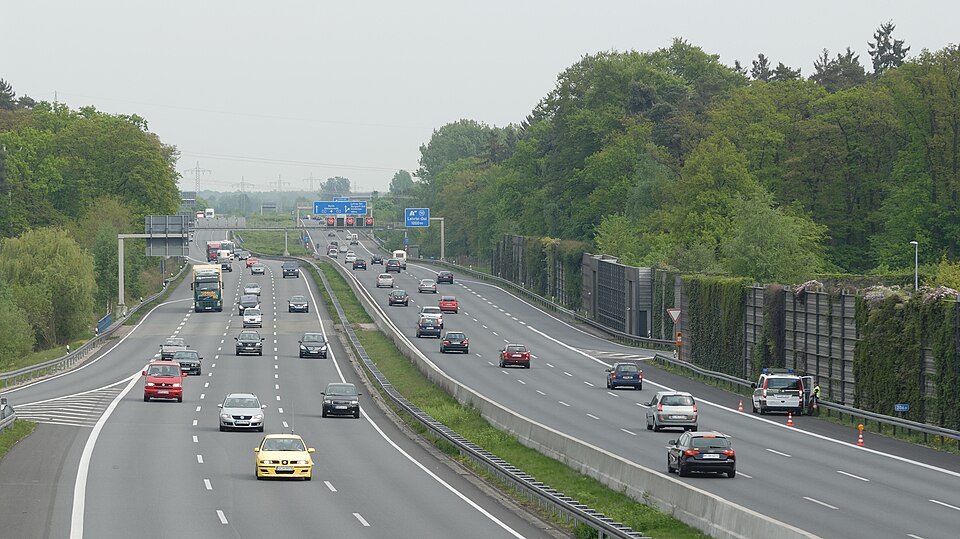
Core assets provide essential services and have monopolistic characteristics. Investors seeking core infrastructure look for five different characteristics: income, low volatility of returns, diversification, inflation protection, and long-term liability matching. Core infrastructure incorporates all the main types of infrastructure, such as roads, highways, railways, public transportation, water, and gas supply.
Basic
Basic infrastructure refers to main railways, roads, canals, harbors and docks, the electromagnetic telegraph, drainage, dikes, and land reclamation. It consists of the more well-known and common features of infrastructure that we come across in our daily lives (buildings, roads, docks).
Complementary
Complementary infrastructure refers to things like light railways, tramways, and gas/electricity/water supply. To complement something means to bring it to perfection or complete it. Complementary infrastructure deals with the little parts of the engineering world that make life more convenient and efficient. They are needed to ensure successful usage and marketing of an already finished product, like in the case of road bridges. Other examples are lights on sidewalks, landscaping around buildings, and benches where pedestrians can rest.
Applications
Civil defense and economic development
Military
Military infrastructure is the buildings and permanent installations necessary for the support of military forces, whether they are stationed in bases, being deployed or engaged in operations. Examples include barracks, headquarters, airfields, communications facilities, stores of military equipment, port installations, and maintenance stations.
Communications
Communications infrastructure is the informal and formal channels of communication, political and social networks, or beliefs held by members of particular groups, as well as information technology, software development tools. Still underlying these more conceptual uses is the idea that infrastructure provides organizing structure and support for the system or organization it serves, whether it is a city, a nation, a corporation, or a collection of people with common interests. Examples include IT infrastructure, research infrastructure, terrorist infrastructure, employment infrastructure, and tourism infrastructure.
Land improvement and land development are general terms that in some contexts may include infrastructure, but in the context of a discussion of infrastructure would refer only to smaller-scale systems or works that are not included in infrastructure, because they are typically limited to a single parcel of land, and are owned and operated by the landowner. For example, an irrigation canal that serves a region or district would be included with infrastructure, but the private irrigation systems on individual land parcels would be considered land improvements, not infrastructure. Service connections to municipal service and public utility networks would also be considered land improvements, not infrastructure.
The term "public works" includes government-owned and operated infrastructure as well as public buildings, such as schools and courthouses. Public works generally refers to physical assets needed to deliver public services. Public services include both infrastructure and services generally provided by the government.
Ownership and financing
According to researchers at the Overseas Development Institute, the lack of infrastructure in many developing countries represents one of the most significant limitations to economic growth and achievement of the Millennium Development Goals (MDGs). Infrastructure investments and maintenance can be very expensive, especially in such areas as landlocked, rural and sparsely populated countries in Africa. It has been argued that infrastructure investments contributed to more than half of Africa's improved growth performance between 1990 and 2005, and increased investment is necessary to maintain growth and tackle poverty. The returns to investment in infrastructure are very significant, with on average thirty to forty percent returns for telecommunications (ICT) investments, over forty percent for electricity generation, and eighty percent for roads.
Regional differences
The demand for infrastructure both by consumers and by companies is much higher than the amount invested. There are severe constraints on the supply side of the provision of infrastructure in Asia. The infrastructure financing gap between what is invested in Asia-Pacific (around US$48 billion) and what is needed (US$228 billion) is around US$180 billion every year.
In Latin America, three percent of GDP (around US$71 billion) would need to be invested in infrastructure in order to satisfy demand, yet in 2005, for example, only around two percent was invested leaving a financing gap of approximately US$24 billion.
In Africa, in order to reach the seven percent annual growth calculated to be required to meet the MDGs by 2015 would require infrastructure investments of about fifteen percent of GDP, or around US$93 billion a year. In fragile states, over thirty-seven percent of GDP would be required.
Sources of funding for infrastructure
The source of financing for infrastructure varies significantly across sectors. Some sectors are dominated by government spending, others by overseas development aid (ODA), and yet others by private investors. In California, infrastructure financing districts are established by local governments to pay for physical facilities and services within a specified area by using property tax increases. In order to facilitate investment of the private sector in developing countries' infrastructure markets, it is necessary to design risk-allocation mechanisms more carefully, given the higher risks of their markets.
The spending money that comes from the government is less than it used to be. From the 1930s to 2019, the United States went from spending 4.2% of GDP to 2.5% of GDP on infrastructure. These under investments have accrued, in fact, according to the 2017 ASCE Infrastructure Report Card, from 2016 to 2025, infrastructure will be underinvested by $2 trillion. Compared to the global GDP percentages, The United States is tied for second-to-last place, with an average percentage of 2.4%. This means that the government spends less money on repairing old infrastructure and or on infrastructure as a whole.
In Sub-Saharan Africa, governments spend around US$9.4 billion out of a total of US$24.9 billion. In irrigation, governments represent almost all spending. In transport and energy a majority of investment is government spending. In ICT and water supply and sanitation, the private sector represents the majority of capital expenditure. Overall, between them aid, the private sector, and non-OECD financiers exceed government spending. The private sector spending alone equals state capital expenditure, though the majority is focused on ICT infrastructure investments. External financing increased in the 2000s (decade) and in Africa alone external infrastructure investments increased from US$7 billion in 2002 to US$27 billion in 2009. China, in particular, has emerged as an important investor.
Coronavirus implications
The 2020 COVID-19 pandemic has only exacerbated the underfunding of infrastructure globally that has been accumulating for decades. The pandemic has increased unemployment and has widely disrupted the economy. This has serious impacts on households, businesses, and federal, state and local governments. This is especially detrimental to infrastructure because it is so dependent on funding from government agenciesenvironmental sustainability. However, as of March 2021, only a small fraction of the G20 COVID-19 related fiscal measures was found to be climate friendly.
Sustainable infrastructure
In addition, in an econometric study published in the Economic Modelling journal, an analysis on government energy technology spending showed that spending on the renewable energy sector created five more jobs per million dollars invested than spending on fossil fuels. Since sustainable infrastructure is more beneficial in both an economic and environmental context, it represents the future of infrastructure. Especially with increasing pressure from climate change and diminishing natural resources, infrastructure not only needs to maintain economic development and job development, and a high quality of life for residents, but also protect the environment and its natural resources.
Sustainable energy
Sustainable energy infrastructure includes types of renewable energy power plants as well as the means of exchange from the plant to the homes and businesses that use that energy. Renewable energy includes well researched and widely implemented methods such as wind, solar, and hydraulic power, as well as newer and less commonly used types of power creation such as fusion energy. Sustainable energy infrastructure must maintain a strong supply relative to demand, and must also maintain sufficiently low prices for consumers so as not to decrease demand. Any type of renewable energy infrastructure that fails to meet these consumption and price requirements will ultimately be forced out of the market by prevailing non renewable energy sources.
Sustainable water
Sustainable water infrastructure is focused on a community's sufficient access to clean, safe drinking water. Water is a public good along with electricity, which means that sustainable water catchment and distribution systems must remain affordable to all members of a population. "Sustainable Water" may refer to a nation or community's ability to be self-sustainable, with enough water to meet multiple needs including agriculture, industry, sanitation, and drinking water. It can also refer to the holistic and effective management of water resources. Increasingly, policy makers and regulators are incorporating Nature-based solutions (NBS or NbS) into attempts to achieve sustainable water infrastructure.
Sustainable waste management
Sustainable waste management systems aim to minimize the amount of waste products produced by individuals and corporations. Commercial waste management plans have transitioned from simple waste removal plans into comprehensive plans focused on reducing the total amount of waste produced before removal. Sustainable waste management is beneficial environmentally, and can also cut costs for businesses that reduce their amount of disposed goods.
Sustainable transportation
Sustainable materials
Another solution to transition into a more sustainable infrastructure is using more sustainable materials. A material is sustainable if the needed amount can be produced without depleting non-renewable resources. It also should have low environmental impacts by not disrupting the established steady-state equilibrium of it. The materials should also be resilient, renewable, reusable, and recyclable.
Today, concrete is one of the most common materials used in infrastructure. There is twice as much concrete used in construction than all other building materials combined. It is the backbone of industrialization, as it is used in bridges, piers, pipelines, pavements, and buildings. However, while they do serve as a connection between cities, transportation for people and goods, and protection for land against flooding and erosion, they only last for 50 to 100 years. Many were built within the last 50 years, which means many infrastructures need substantial maintenance to continue functioning.
However, concrete is not sustainable. The production of concrete contributes up to 8% of the world's greenhouse gas emissions. A tenth of the world's industrial water usage is from producing concrete. Even transporting the raw materials to concrete production sites adds to airborne pollution. Furthermore, the production sites and the infrastructures themselves all strip away agricultural land that could have been fertile soil or habitats vital to the ecosystem.
Green infrastructure
Tree planting
Tree planting provides a host of ecological, social, and economic benefits. Trees can intercept rain, support infiltration and water storage in soil, diminish the impact of raindrops on barren surfaces, minimize soil moisture through transpiration, and they help reduce stormwater runoff. Additionally, trees contribute to recharging local aquifers and improve the health of watershed systems. Trees also reduce energy usage by providing shade and releasing water into the atmosphere which cools the air and reduces the amount of heat absorbed by buildings. Finally, trees improve air quality by absorbing harmful air pollutants reducing the amount of greenhouse gases.
Bioretention and infiltration practices
There are a variety of types of bioretention and infiltration practices, including rain gardens and bioswales. A rain garden is planted in a small depression or natural slope and includes native shrubs and flowers. They temporarily hold and absorb rain water and are effective in removing up to 90% of nutrients and chemicals and up to 80% of sediments from the runoff. As a result, they soak 30% more water than conventional gardens. Bioswales are planted in paved areas like parking lots or sidewalks and are made to allow for overflow into the sewer system by trapping silt and other pollutants, which are normally left over from impermeable surfaces. Both rain gardens and bioswales mitigate flood impacts and prevent stormwater from polluting local waterways; increase the usable water supply by reducing the amount of water needed for outdoor irrigation; improve air quality by minimizing the amount of water going into treatment facilities, which also reduces energy usage and, as a result, reduces air pollution since less greenhouse gases are emitted.
Smart cities
Masdar City
Masdar City is located in a desert region, meaning that sustainable collection and distribution of water is dependent on the city's ability to use water at innovative stages of the water cycle. The city will use groundwater, greywater, seawater, blackwater, and other water resources to obtain both drinking and landscaping water.
Initially, Masdar City will be waste-free. Recycling and other waste management and waste reduction methods will be encouraged. Additionally, the city will implement a system to convert waste into fertilizer, which will decrease the amount of space needed for waste accumulation as well as provide an environmentally friendly alternative to traditional fertilizer production methods.
No cars will be allowed in Masdar City, contributing to low carbon emissions within the city boundaries. Instead, alternative transportation options will be prioritized during infrastructure development. This means that a bike lane network will be accessible and comprehensive, and other options will also be available.